Research
Our lab studies ways to understand, reproduce, and generate real-world light, geometry, and measurements, grounded in computer graphics (CG) and computer vision (CV). Across individual projects, we combine physics, geometry, machine learning, and sensing to develop new representations and computational methods.

Rendering and Simulation
We study techniques for reproducing physical phenomena in the real world, such as the propagation of light and the motion of objects, on a computer.
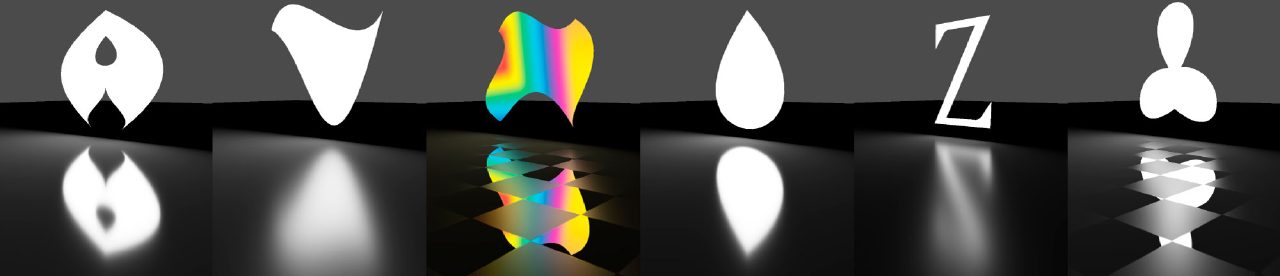
In computer graphics, realistic images can be generated by computing how light is reflected and scattered at object surfaces. Faithfully reproducing real-world physics, however, can require enormous computational effort, making algorithms that balance accuracy and efficiency essential.
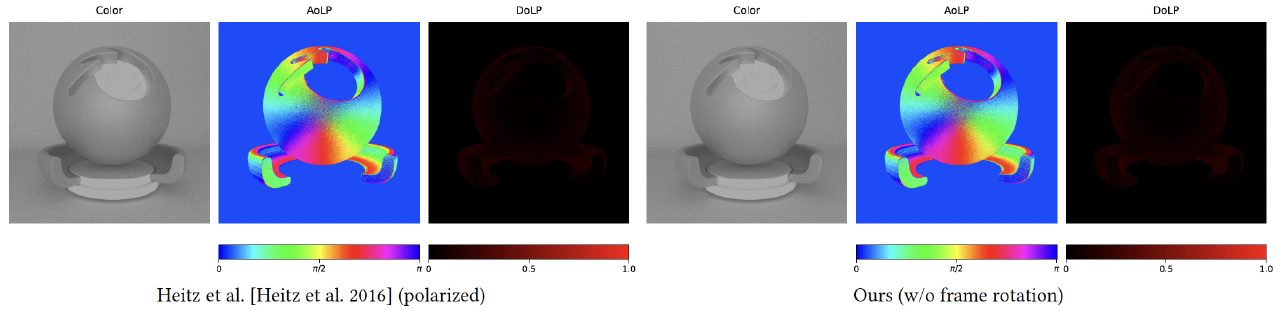
Our interests include physically based rendering involving light transport, material appearance, and polarization, as well as simulations for emerging imaging devices.
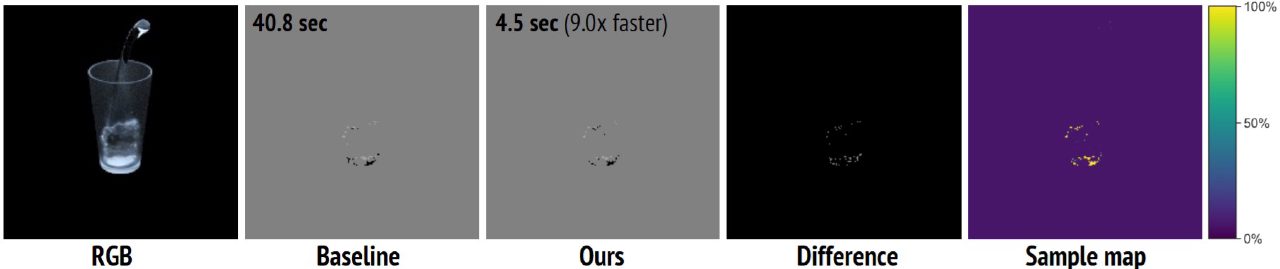
For example, event cameras acquire information through a principle different from that of conventional cameras. We study how physical simulation and image generation can be combined to reproduce the behavior of such devices more accurately.
3D Geometry and Modeling
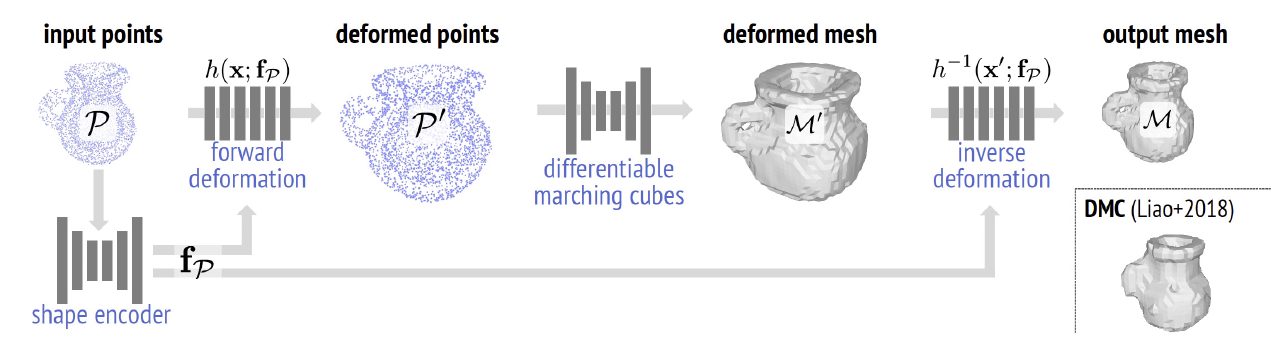
We study techniques for understanding, representing, and generating three-dimensional shapes on a computer.
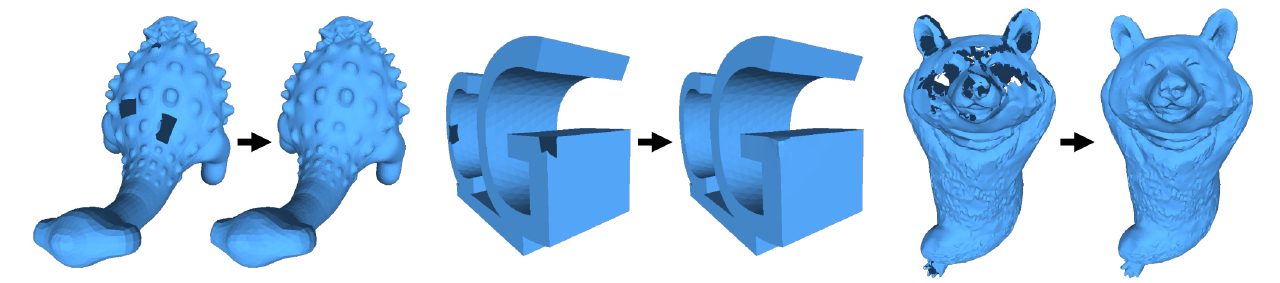
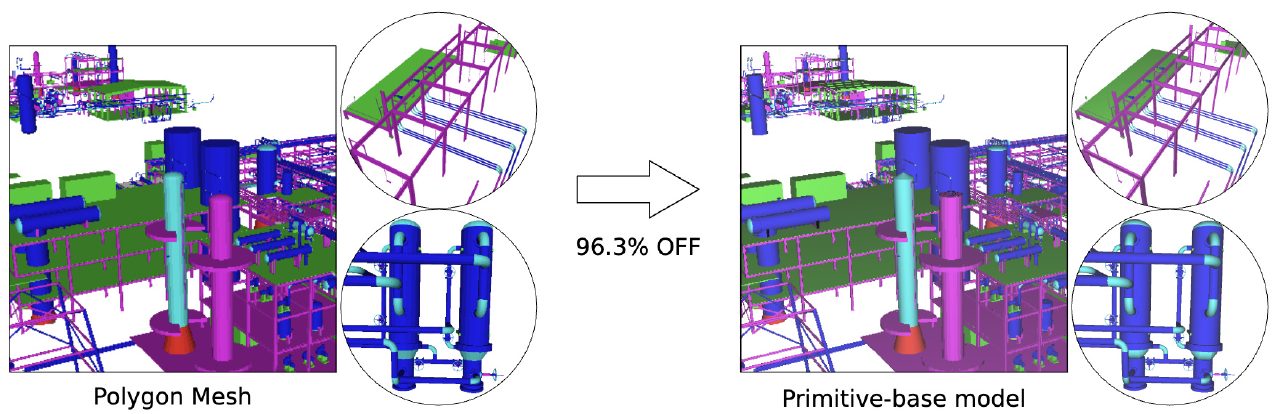
Three-dimensional geometry can be represented in many ways, including point clouds, polygon meshes, and CAD models. We use the geometric properties and structure of these representations to develop efficient methods for processing, converting, and generating shapes.
In addition to conventional geometry processing, we are interested in combining neural networks, generative models, and large language models to understand and generate three-dimensional shapes more flexibly.
Examples include understanding object structure from point clouds and converting it into editable representations such as CAD, as well as representations and processing methods for handling large-scale three-dimensional data efficiently.
Visual AI
We study machine learning and AI techniques for understanding and processing images, videos, and three-dimensional data.
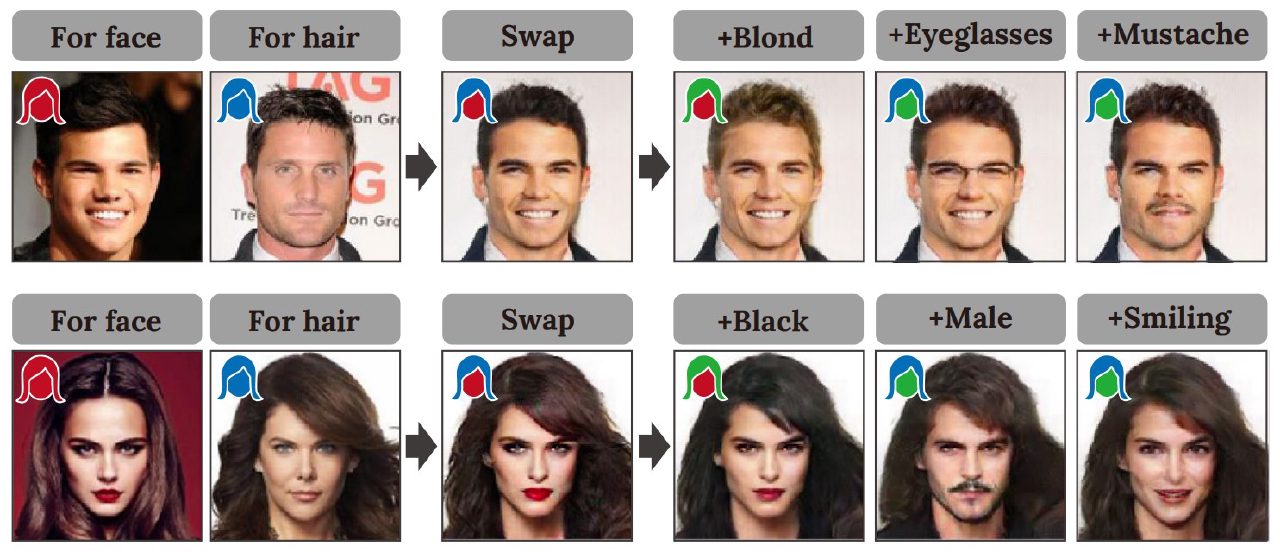
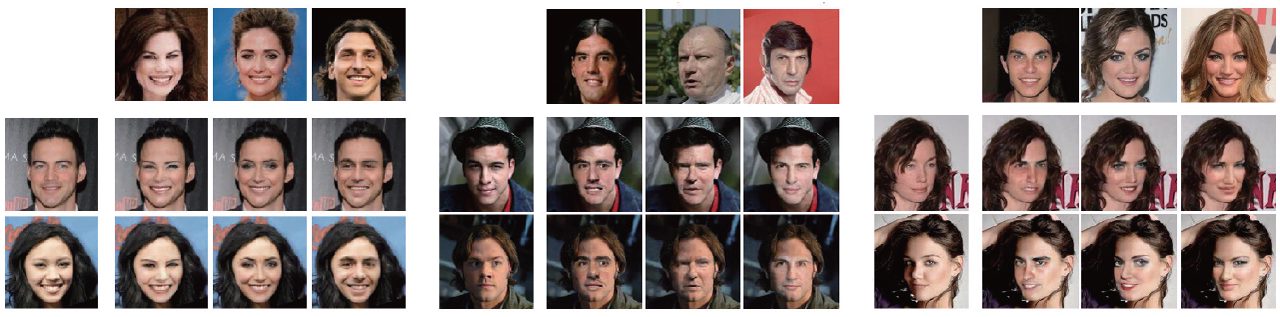
Advances in deep learning have made it possible to learn solutions to a broad range of CG and CV problems from data, including image recognition and generation, three-dimensional shape understanding, anomaly detection, and image editing.
Rather than treating a particular AI model as the sole object of study, we emphasize learning methods that make effective use of structure, physical properties, and geometric information in visual and three-dimensional data.
Building on our earlier work in image generation and editing, we are now applying AI to a broader range of CG and CV problems, including anomaly detection and three-dimensional information processing.
Our recent interests also include applying foundation models, such as large-scale vision-language and generative models, to CG and CV problems, and understanding anomalies and structure from limited training data.
Computational Imaging and Sensing
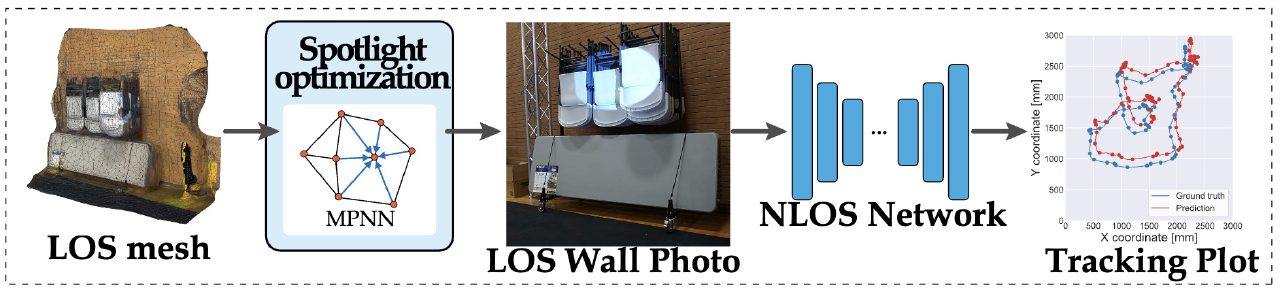
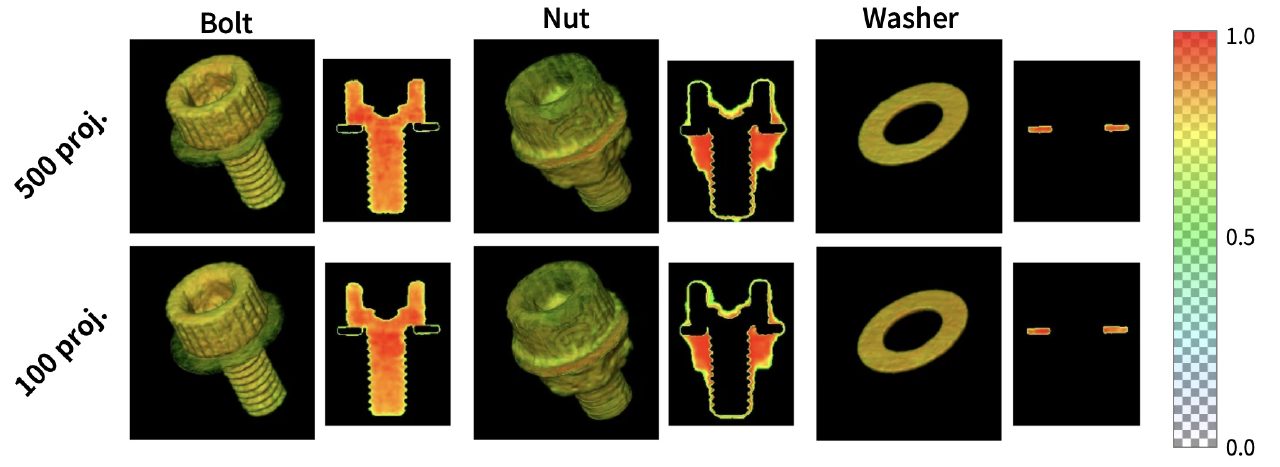
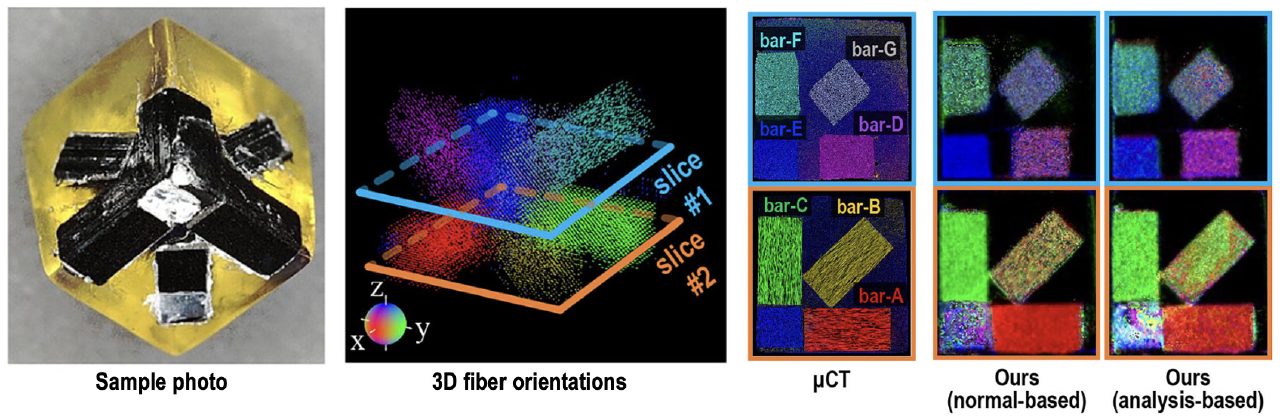
We study techniques that combine measurements of the real world with computation to estimate shape, material, internal structure, and other properties that are difficult to observe directly.
Data acquired by cameras, three-dimensional scanners, and X-ray CT systems contains noise and is subject to physical constraints. We model the measurement process and use simulation, image reconstruction, and inverse-problem techniques to recover the information of interest.
We also combine conventional mathematical reconstruction methods with machine learning to achieve more accurate and efficient measurement and recovery.
Our work extends beyond visible-light cameras to a variety of sensing technologies, including three-dimensional measurement, X-ray CT, and spectral imaging.
From Fundamental Research to Real-World Applications
Alongside fundamental research on new algorithms and representations, we place strong emphasis on applying these ideas to real-world problems.
We have collaborated with companies and researchers at other universities in areas including manufacturing, nondestructive testing, and three-dimensional measurement.
Working on practical problems often reveals challenges that existing CG and CV techniques cannot adequately address. Generalizing these challenges and developing them into new computational methods and algorithms is one of our characteristic approaches to research.
Our research topics are not limited to these areas. As students’ interests and new technologies evolve, we explore new topics that cross multiple research domains.
Specific published work is available on the Projects page.